

Camping is the great Canadian tradition of driving several hours into the wilderness so we can spend the weekend searching for the one thing we definitely packed. Usually it is the can opener.
A good checklist is less glamorous than a canoe at sunrise, but it prevents the expensive campground-store purchases, wet sleeping bags and midnight flashlight failures that turn “getting back to nature” into “getting back in the car.” Use this list for front-country camping, then adjust it for your destination, weather and local rules.
If an item keeps you warm, dry, fed or able to find the washroom after dark, it is essential. The third decorative camp pillow can negotiate for itself.
Before leaving home
- Confirm the reservation, arrival time and site number.
- Check the weather—and remember that Canadian weather treats forecasts as opening suggestions.
- Review fire bans, campground rules and potable-water availability.
- Download directions and maps for places where cell service becomes folklore.
- Tell someone where you are going and when you expect to return.
Parks Canada’s Camping 101 guidance is a solid national starting point, but rules vary by park and province. Always check the page for your actual destination.
Shelter and sleep
- Tent, poles, pegs and waterproof fly
- Groundsheet or footprint
- Sleeping bags rated for expected nighttime temperatures
- Sleeping pads or mattresses—and the pump that makes them useful
- Extra blanket, tarp, cord and a basic repair kit
- Mallet or hammer
Set the tent up once at home. Discovering that a pole is missing is character-building, but there are cheaper ways to develop character.
Camp kitchen
- Camp stove, correct fuel and a lighter stored separately
- Cookware, utensils, mugs and a can opener
- Cooler, ice and sealed food containers
- Safe drinking water or an appropriate treatment method
- Biodegradable soap, wash basin, towels and garbage bags
- Simple meals plus one emergency meal that requires little preparation
Safety, weather and wildlife
- First-aid kit and required medications
- Headlamps or flashlights with spare batteries
- Sun protection, insect repellent and weather-appropriate layers
- Whistle, map and an emergency communication plan
- Closed-toe footwear and rain gear
Parks Canada advises campers to keep food, garbage and scented items secured in a hard-sided vehicle, trailer or wildlife-proof locker where provided. Wildlife does not distinguish between groceries and toiletries, and a bear is unlikely to respect your artisanal soap collection. Review the official Parks Canada safety guidance before travelling.
Fire and campsite manners
- Check for restrictions before lighting anything.
- Use designated fire pits and approved local firewood.
- Never leave a fire unattended; extinguish it completely.
- Keep pets leashed and campsites clean.
- Respect quiet hours. Your neighbouring camper did not book a site to attend your Bluetooth festival.
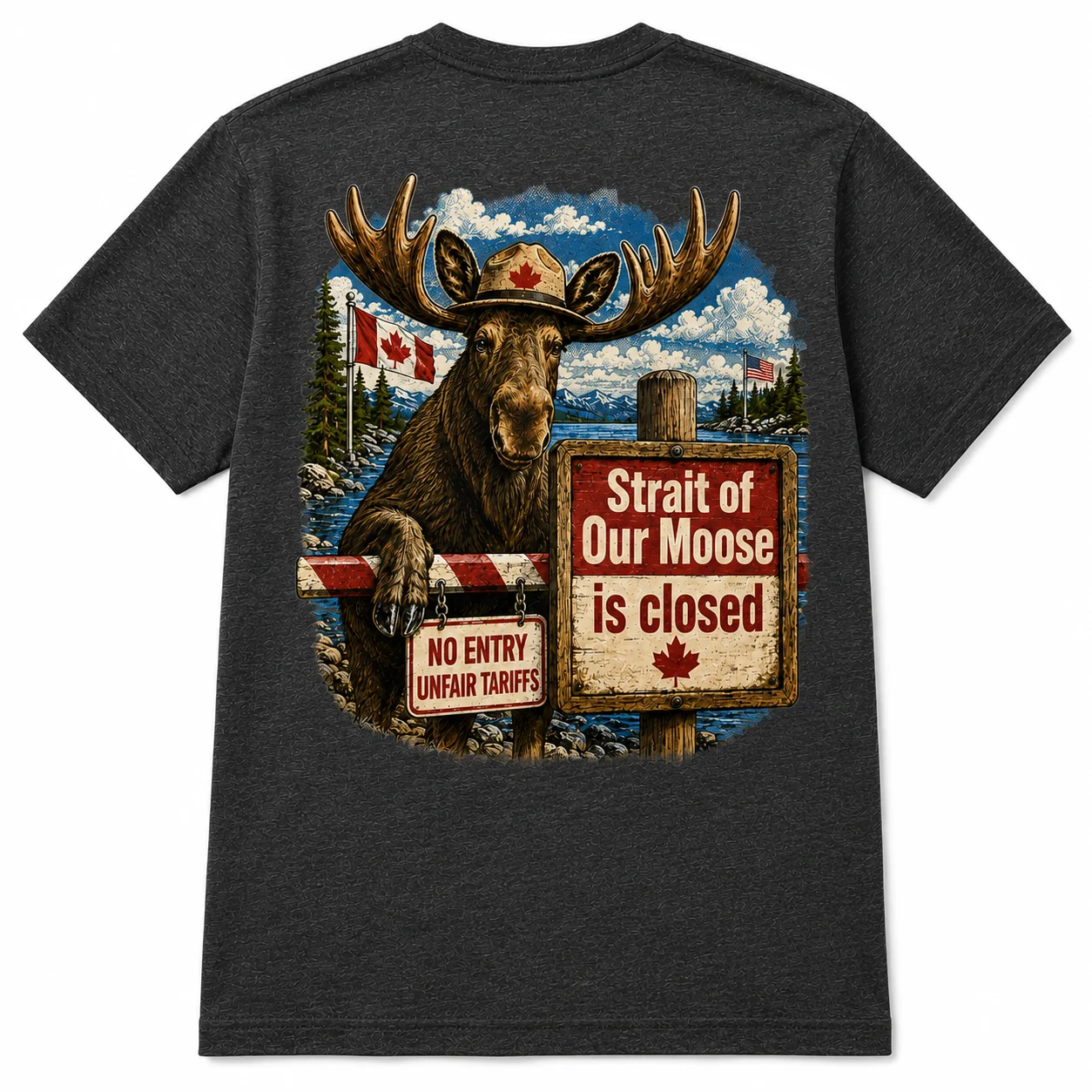
Strait of Our Moose Tee
Ontario-based Chilly Moose offers insulated drinkware, coolers and outdoor gear designed for Canadian adventures. Check each product page for current specifications and manufacturing details.
Promotional recommendation. This is not currently a paid or affiliate link.The final five-minute walk-around
Before pulling away, check the stove fuel, medications, wallets, keys, food storage and every tent component. Then check under the vehicle and on the roof. Canada is vast; there is no need to donate your camp chairs to a Highway 11 on-ramp.