


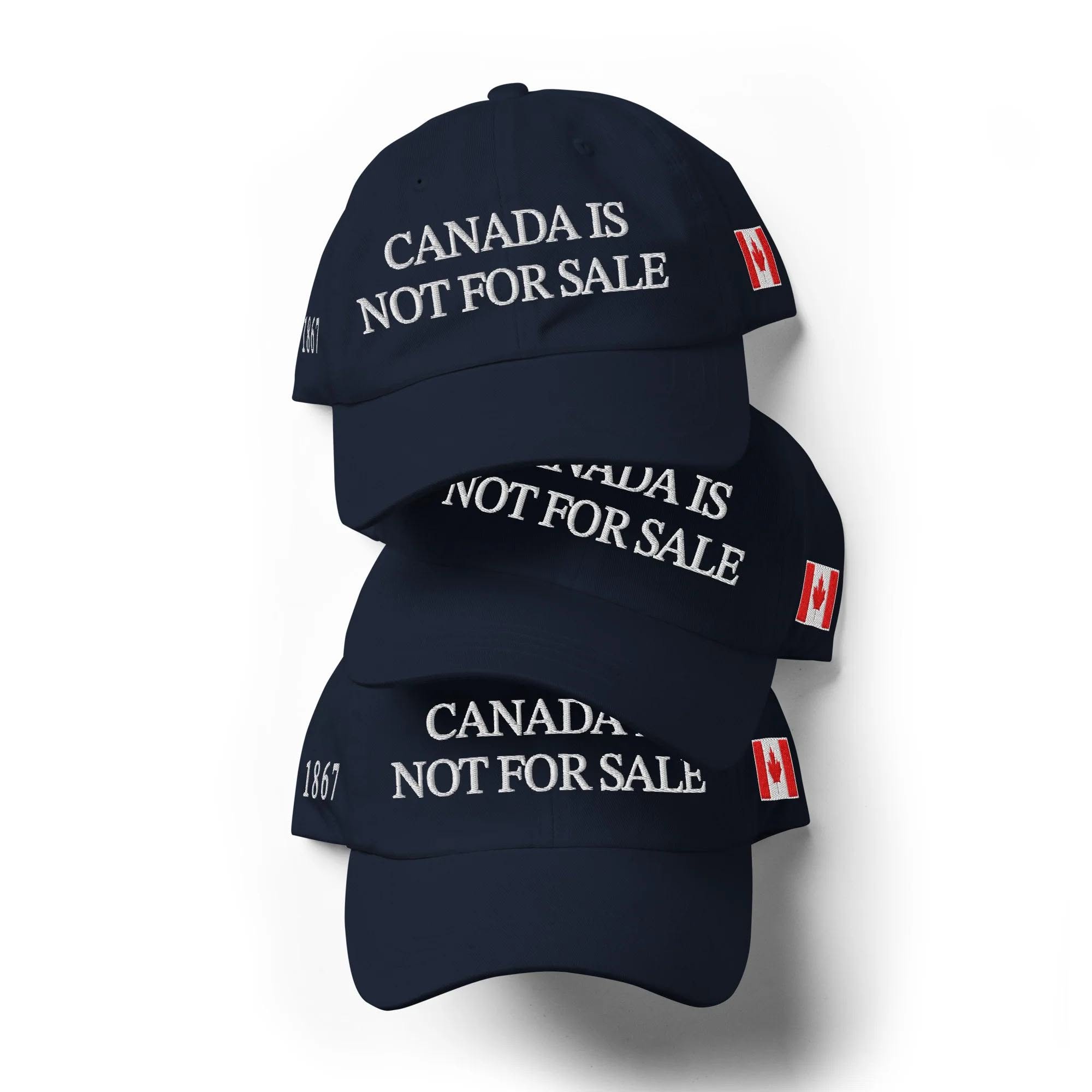
Buying Canadian should be simple: spot a maple leaf, feel virtuous, carry on. Naturally, we have managed to make it more complicated than assembling flat-pack furniture without the tiny Allen key.
A Canadian address, a patriotic brand name or enough red-and-white packaging to alarm a bull can suggest a connection to Canada. None of those details tells you where the product was actually made. Two phrases do carry useful meaning: “Product of Canada” and “Made in Canada.” They are not interchangeable.
“Product of Canada” is the heavyweight claim. “Made in Canada” still matters, but read the qualifier before awarding the product a ceremonial toque.
Product of Canada: the higher bar
According to Competition Bureau Canada, a “Product of Canada” claim generally means at least 98% of the total direct costs of producing or manufacturing the item were incurred in Canada. The last substantial transformation must also have happened here.
That is the label to prioritize when you want the greatest share of production value to remain in Canada. It is not a guarantee that every atom has a Canadian passport, but it is the strongest standard of the two.
Made in Canada: meaningful, with a qualifier
A “Made in Canada” claim uses a lower threshold: at least 51% of direct production or manufacturing costs must be Canadian, and the last substantial transformation must occur here. The claim should include wording such as “Made in Canada with imported parts” or “Made in Canada with domestic and imported parts.”
Imported inputs do not erase Canadian labour. They simply mean the complete story is more nuanced than the front of the package would prefer to admit.
The five-minute Canadian-content test
- Read the entire claim. The maple leaf is decoration; the origin statement is evidence.
- Look for the qualifier. Imported components may still accompany a legitimate “Made in Canada” claim.
- Check the exact product. One brand can manufacture one line here and import another.
- Look for a factory location. “Designed,” “distributed” and “dreamed about during a snowstorm” are not manufacturing claims.
- Ask precisely. “Where is this model manufactured?” beats “Are you Canadian?”
Canadian-owned and Canadian-made are different wins
A Canadian-owned importer can employ Canadians and pay Canadian taxes. A foreign-owned company operating a Canadian plant can support substantial domestic manufacturing jobs. Neither story fits neatly on a sticker, so decide which kind of support matters most for that purchase.
Lake Ontario Hat
Jackpine’s shop includes Canadian-themed hats and shirts. Check the individual product description for current manufacturing details—the brand name alone does not answer the origin question.
Promotional recommendation. This is not currently a paid or affiliate link.The bottom line
“Product of Canada” is the stronger domestic-content claim. “Made in Canada” still represents meaningful Canadian production, but it can include imported inputs and should say so. Everything else deserves a closer look—especially when the maple leaf is doing more work than the label.